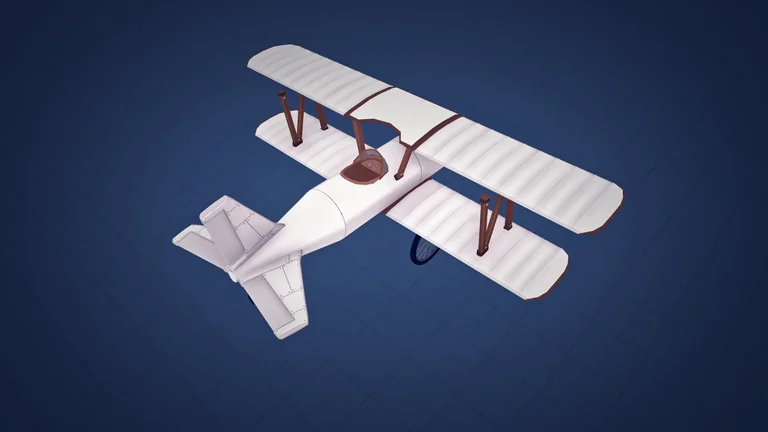
Cargo Space, Part Weight, and Heavy Freight Rules
How fuselage and cockpit cargo capacity, loaded freight mass, fragile breaks, and expiration timers work in Aviassembly.

How cargo space and loaded weight work
Your plane’s total cargo space equals the sum of the Cargo stat across every fuselage and cockpit mounted on the build. A cargo unit loads only when current space plus its Cargo Space stays less than or equal to the plane’s rounded cargo space, and every loaded unit adds its weight directly to the aircraft. In the builder, tooltip Weight sums each part’s weight stat while flight physics adds weight / 15 per part, whereas loaded cargo applies its weight straight to the plane; for wing lift and takeoff balance, see our plane building guide.
Comparing fuselage and cockpit cargo efficiency
Because cockpits count as fuselage parts for Cargo capacity, upgrading or stacking light cockpits yields far more room per unit of weight than stacking standard 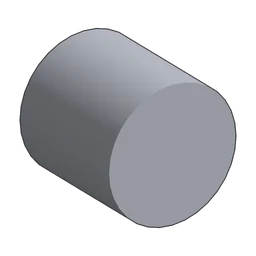 Body blocks (10 Cargo for 1 weight).
| Part | Cargo | Weight | Price | Research |
|---|---|---|---|---|
| Body | 10 | 1 | 50 | Start |
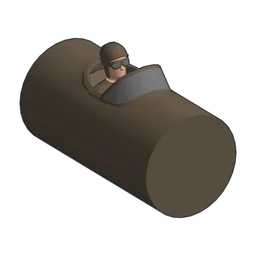 Biplane Cockpit | 20 | 1.5 | 150 | Start |
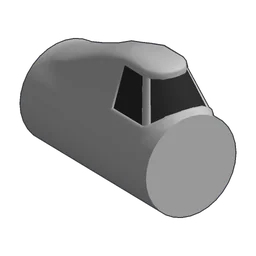 Cockpit | 20 | 1 | 175 | 5 RP |
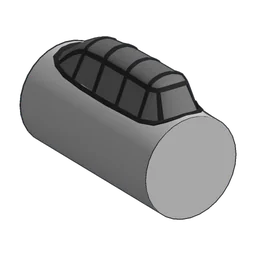 Small Large Cockpit | 25 | 0.5 | 100 | 5 RP |
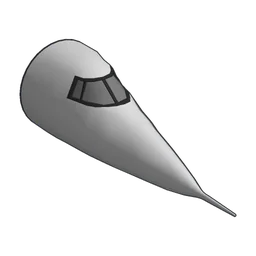 Jet Cockpit02 | 30 | 0.5 | 200 | 5 RP |
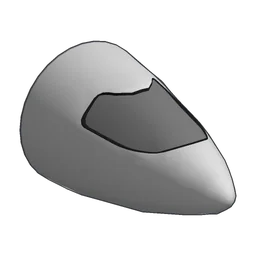 Areo Dynamic Cockpit | 50 | 1 | 250 | 20 RP |
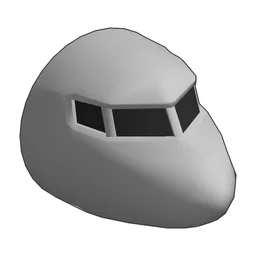 Big Cockpit | 60 | 2 | 750 | 25 RP + 5 Adv |
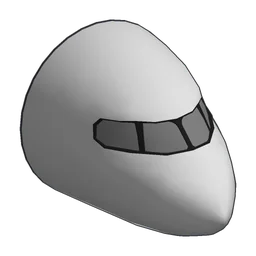 Jetline Cockpit | 85 | 2 | 1,000 | 50 RP |
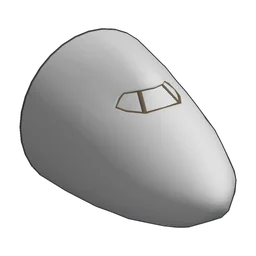 Huge Cockpit | 100 | 2 | 1,200 | 50 RP |
| Fuselage or cockpit | Cargo | Weight | Coins | Unlock cost |
|---|---|---|---|---|
| Body |
10 | 1 | 50 | Starter |
| Biplane Cockpit |
20 | 1.5 | 150 | Starter |
| Cockpit |
20 | 1 | 175 | 5 RP |
| Small Large Cockpit |
25 | 0.5 | 100 | 5 RP |
| Jet Cockpit02 |
30 | 0.5 | 200 | 5 RP |
| Areo Dynamic Cockpit |
50 | 1 | 250 | 20 RP |
| Big Cockpit |
60 | 2 | 750 | 25 RP, 5 advanced RP |
| Jetline Cockpit |
85 | 2 | 1,000 | 50 RP |
| Huge Cockpit |
100 | 2 | 1,200 | 50 RP |
The Small Large Cockpit (25 Cargo at 0.5 weight) and Jet Cockpit02 (30 Cargo at 0.5 weight) both carry five to six times more cargo per unit of weight than Body. Moving up to Areo Dynamic Cockpit gives 50 Cargo for 1 weight at 250 coins, and Huge Cockpit hits 100 Cargo for 2 weight at 1,200 coins.
Heavy and bulky freight in the cargo list
Early deliveries such as  Small Batteries and
 Medicine stay light and compact, while late-game industrial loads force dedicated heavy lifters. Remember to account for fuel mass alongside freight by checking our fuel capacity and weight guide.
| Cargo | Base Price | Weight | Cargo Space | Fragile | Expires |
|---|---|---|---|---|---|
| Small Batteries | 10 | 0.1 | 10 | No | No |
| Medicine | 20 | 0.2 | 15 | No | No |
 Wood Logs | 100 | 8 | 120 | No | No |
 Titanium | 150 | 24 | 150 | No | No |
 Lead | 185 | 25 | 250 | No | No |
 Stone | 450 | 15 | 300 | No | No |
 Radioactive Waste | 300 | 65 | 750 | No | No |
| Cargo | Space needed | Weight | Base price |
|---|---|---|---|
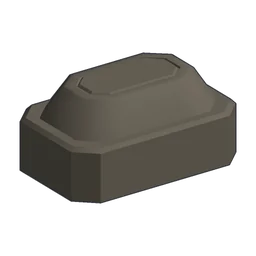 Small Batteries |
10 | 0.1 | 10 |
| Medicine |
15 | 0.2 | 20 |
| Wood Logs |
120 | 8 | 100 |
| Titanium |
150 | 24 | 150 |
| Lead |
250 | 25 | 185 |
| Stone |
300 | 15 | 450 |
| Radioactive Waste |
750 | 65 | 300 |
Single units of Stone demand 300 space at 15 weight, while Lead needs 250 space at 25 weight and Titanium packs 24 weight into 150 space. The heaviest single load in the cargo database is Radioactive Waste at 750 space and 65 weight. If adding that mass leaves your design stuck on the runway, troubleshoot lift and wing area with our plane takeoff troubleshooting guide.
Fragile and expiring cargo rules
On Normal and Hard difficulty, expiring freight starts its timer as soon as you load it, and fragile freight shatters on hard impacts. On Relaxed difficulty, expiration timers never clear your hold and fragile cargo does not break on impact; see our hard and relaxed difficulty guide for reward multipliers.
- Timed only:
 Fruit expires after 70 seconds and
 Chemicals expires after 35 seconds on Normal or Hard.
- Fragile only:
 Chips (80 space),
 Glass (10 space, 1.5 weight), and
 Ice (40 space, 3 weight) break on rough landings.
- Both fragile and timed:
 Syringes combines fragile handling with a 30-second timer for 200 base coins.