Aviassembly Plane Building Guide: Weight, Lift, Thrust, and Starter Build
Build guide covering part weight, fuel weight, cargo space, wing lift, strength limits, engine optimal speed, and starter plane parts.
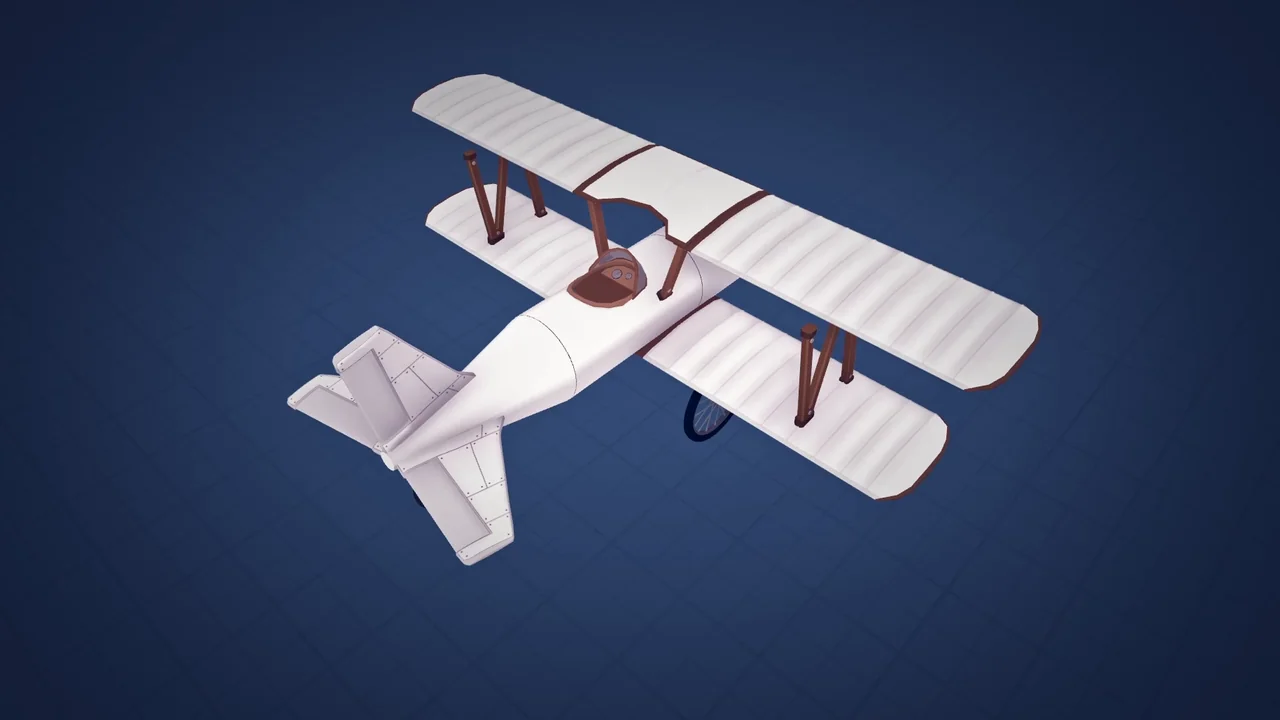
This aviassembly build guide breaks down how hangar stats translate into flight mass, cargo capacity, wing lift, structural limits, and engine thrust, finishing with the starter plane parts available from the beginning. Use the parts database alongside this page when planning upgrades, or review the progression guide for campaign order.
Weight and physics mass
The Weight number displayed on a workshop tooltip sums the weight value of every part attached to the aircraft. When a flight begins, physics simulation mass adds each part’s weight divided by 15 rather than using the raw tooltip number directly.
Fuel also contributes to total mass at 0.4 weight per fuel unit, adding fuel multiplied by 0.4 divided by 15 to physics mass. As fuel burns during flight, that fuel mass drops continuously until the tanks run dry.
Cargo adds weight only when loaded at an airport, increasing aircraft mass by each loaded item’s weight. Check the cargo database and the cargo weight guide before accepting heavy deliveries on low-thrust planes.
Your landing gear must support the loaded craft without triggering workshop warnings such as “The plane has no wheels.”, “Front wheel lower than rear wheel”, or “Front wheels too close to center of gravity”. During flight or rollout, heavy loads trigger “Wheel load too heavy” and “Add more wheels or add stronger wheels”, so compare Load Limit and Friction in the wheels catalog.
| Part | Load Limit | Friction | Weight | Price | Research |
|---|---|---|---|---|---|
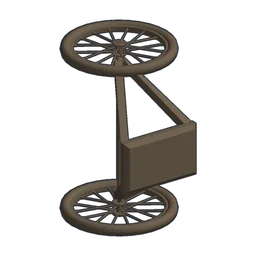 Bike Wheel | 2 x 5 | 2 | 0.5 | 25 | Start |
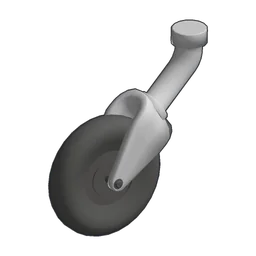 Small Rear Wheel | 6 | 1.5 | 0.2 | 25 | Start |
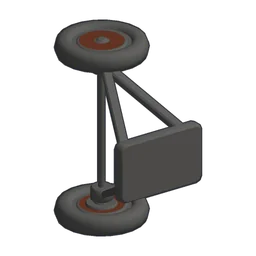 Old Steel Wheel | 2 x 8 | 1 | 1 | 50 | 5 RP |
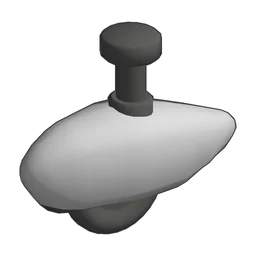 Aero Wheel | 15 | 0.5 | 0.2 | 75 | 15 RP |
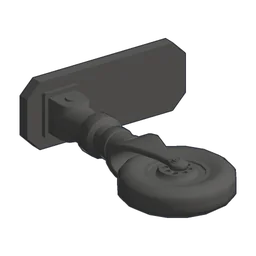 Small Retractable Gear | 20 | 1 | 1 | 200 | 15 RP |
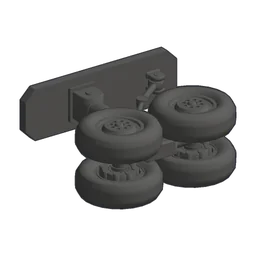 Big Retractable Gear | 50 | 1 | 1 | 500 | 40 RP |
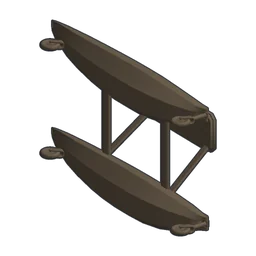 Pontoons | 2 x 15 | 1 | 1.55 | 150 | 15 RP |
Cargo space and fuselages
Total cargo space equals the combined Cargo stat of every fuselage and cockpit mounted on the plane, because cockpits count as fuselage parts. When loading at an airport, an item fits only if current cargo plus its Cargo Space stays within your rounded total cargo space, and tight builds show the hint “Make the fuselage bigger to fit more cargo.”.
Early designs rely on the 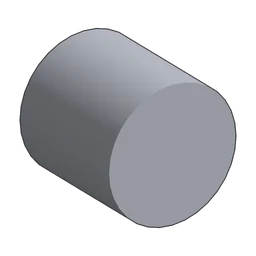 Body (Body, Cargo 10, Weight 1, Price 50) and
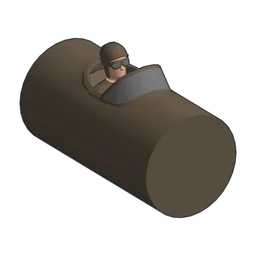 Biplane Cockpit (Biplane Cockpit, Cargo 20, Weight 1.5, Price 150). Later unlocks in the body parts list expand capacity dramatically while keeping weight low:
- Lightweight early cockpits:
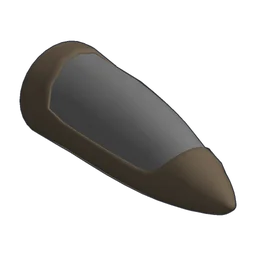 Glider Cockpit (Glider Cockpit) holds Cargo 10 at Weight 0.25 for 75 coins, while
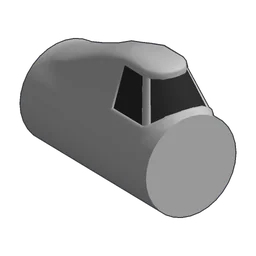 Cockpit (Cockpit) matches Biplane Cockpit at Cargo 20 while dropping Weight to 1 for 175 coins.
- Mid-tier haulers:
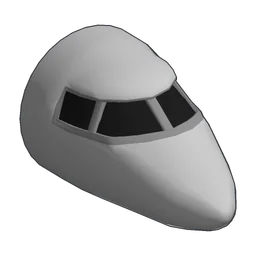 Private Jet Cockpit (Private Jet Cockpit) reaches Cargo 35 at Weight 2 for 250 coins, and
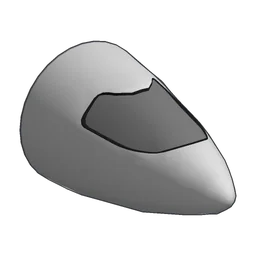 Areo Dynamic Cockpit (Areo Dynamic Cockpit) raises capacity to Cargo 50 at Weight 1 for 250 coins.
- Heavy airframes:
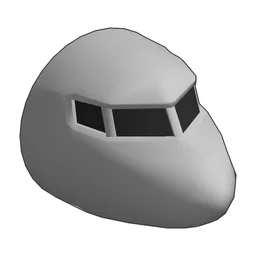 Big Cockpit (Big Cockpit) provides Cargo 60 at Weight 2 for 750 coins,
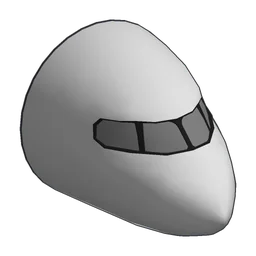 Jetline Cockpit (Jetline Cockpit) provides Cargo 85 at Weight 2 for 1,000 coins, and
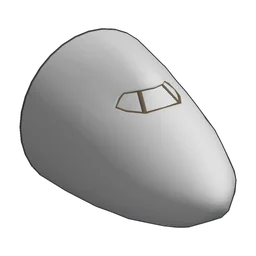 Huge Cockpit (Huge Cockpit) reaches Cargo 100 at Weight 2 for 1,200 coins.
| Part | Cargo | Weight | Price | Research |
|---|---|---|---|---|
| Body | 10 | 1 | 50 | Start |
| Biplane Cockpit | 20 | 1.5 | 150 | Start |
| Cockpit | 20 | 1 | 175 | 5 RP |
| Glider Cockpit | 10 | 0.25 | 75 | 5 RP |
| Private Jet Cockpit | 35 | 2 | 250 | 10 RP |
| Areo Dynamic Cockpit | 50 | 1 | 250 | 20 RP |
| Big Cockpit | 60 | 2 | 750 | 25 RP + 5 Adv |
| Jetline Cockpit | 85 | 2 | 1,000 | 50 RP |
| Huge Cockpit | 100 | 2 | 1,200 | 50 RP |
Wing lift and takeoff help
Wing lift scales with the sine of twice the angle of attack, speed squared, wing area, and the wing’s lift factor, while the hangar Lift stat equals lift factor multiplied by area multiplied by 10,000. Drag increases alongside speed squared, area, drag factor, and one minus the cosine of the angle of attack.
To help aircraft get airborne from short runways, every wing receives extra angle of attack while accelerating within 20 units of the ground. That bonus starts at 12 degrees on the ground and tapers to 0 at 20 units above terrain.
Unlike aerodynamic wings, balloons such as 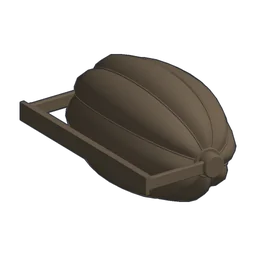 Small Balloon (Small Balloon, Lift 2) and
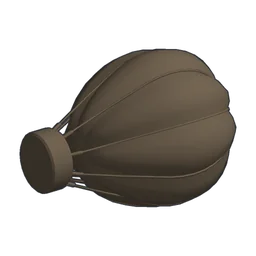 Big Balloon (Big Balloon, Lift 5) push straight upward using their Lift value regardless of forward speed. If a runway build still fails to climb, inspect the wings category or read the takeoff troubleshooting guide.
Wing strength limits
Airspeed on the HUD reads in knots, and Mach equals current speed divided by 666 rounded to one decimal place. Each wing has a Strength stat that sets its structural break threshold at Strength multiplied by 100 knots of airflow.
Exceeding 80% of a wing’s break speed displays the warning “Wing stress too high” paired with “Slow down to reduce stress”, and crossing the break speed breaks the wing off mid-flight. Here is how five common wings compare across Lift, Drag, and Strength:
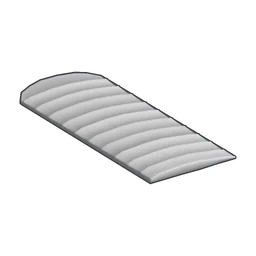 Biplane Wing (Biplane Wing): Lift 21, Drag 21, and Strength 2.25 (breaks above 225 knots).
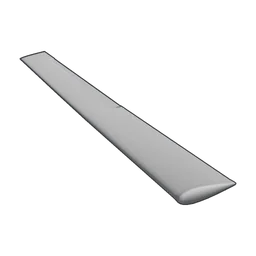 Glider Wing (Glider Wing): Lift 54 and Drag 6, but Strength 1.4 triggers warnings at 112 knots and breaks at 140 knots.
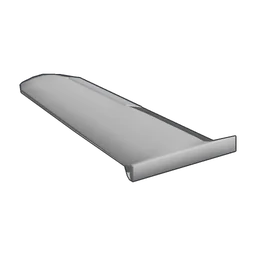 Wing (Wing): Lift 33, Drag 21, and Strength 6, raising the break threshold to 600 knots.
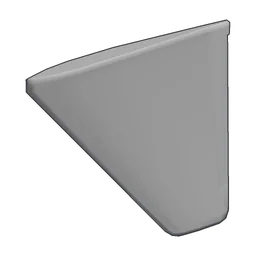 Delta Wing01 (Delta Wing01): Lift 15, Drag 0, and Strength 33 for 3,300 knots max airflow.
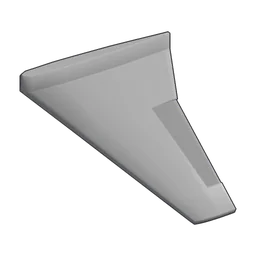 Delta Wing02 (Delta Wing02): Lift 20, Drag 0, and Strength 50 for 5,000 knots max airflow.
| Part | Lift | Drag | Strength | Fuel | Weight | Price | Research |
|---|---|---|---|---|---|---|---|
| Biplane Wing | 21 | 21 | 2.25 | — | 0.5 | 75 | Start |
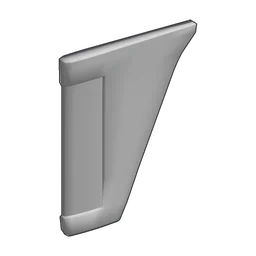 Tail Wing | 2 | 6 | 6 | — | 0.33 | 15 | Start |
| Wing | 33 | 21 | 6 | — | 1 | 150 | 10 RP |
| Glider Wing | 54 | 6 | 1.4 | — | 1.5 | 1,000 | 15 RP |
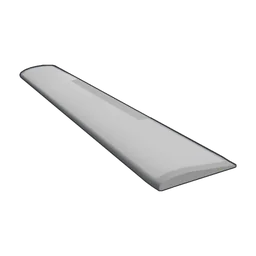 Straight Wing | 48 | 15 | 4 | 1 | 2 | 500 | 20 RP |
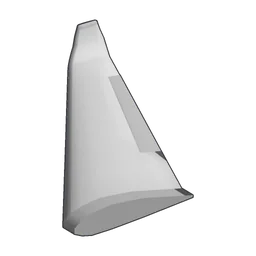 Small Jet Wing | 54 | 12 | 20 | 1.5 | 3 | 800 | 25 RP + 5 Adv |
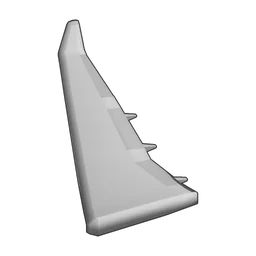 Big Wing | 90 | 6 | 15 | 2 | 5.5 | 2,500 | 50 RP |
| Delta Wing01 | 15 | 0 | 33 | — | 0.33 | 250 | 15 RP |
| Delta Wing02 | 20 | 0 | 50 | — | 0.33 | 250 | 20 RP |
See the wing stress guide for ways to manage high-speed dives without losing wings.
Engines, thrust, and optimal speed
Engine force equals throttle multiplied by Thrust, the engine’s speed curve at current airspeed, and the in-game engine power slider (default 1). Engines that list an Optimal speed stat deliver full thrust up to that knot speed before tapering off as velocity climbs.
For example, 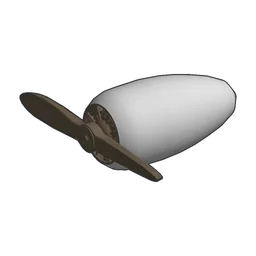 Wood Engine (Wood Engine) produces Thrust 10 up to an Optimal speed of 100 knots, while
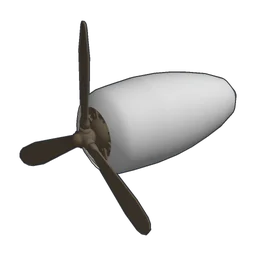 Engine (Engine) delivers Thrust 15 up to 150 knots and
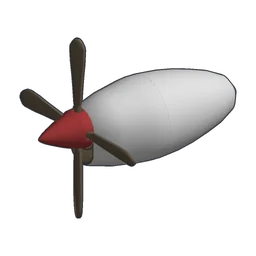 Turbo Prop (Turbo Prop) holds Thrust 20 up to 175 knots. The larger
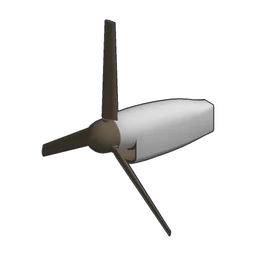 Huge Prop Engine (Huge Prop Engine) outputs Thrust 50 at full power up to 125 knots and drops to zero thrust by 300 knots.
Jet and rocket motors remove the optimal speed cap: 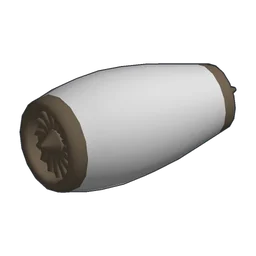 Small Jet Engine (Small Jet Engine) outputs Thrust 25,
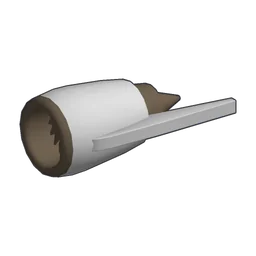 Jet Engine (Jet Engine) outputs Thrust 40, and
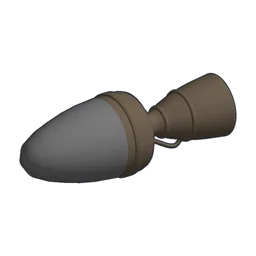 Rocket Engine (Rocket Engine) outputs Thrust 80. Afterburner engines blend thrust and fuel burn above 80% throttle up to full afterburner at full throttle, raising
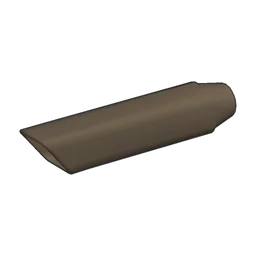 Fighter Jet Engine (Fighter Jet Engine) from Thrust 65 and Fuel Consumption 10 to 78 thrust and 14 fuel burn, and raising
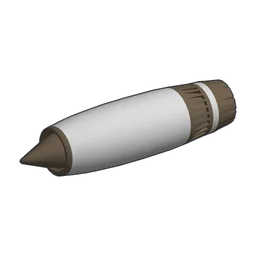 Ram Jet (Ram Jet) from Thrust 75 and Fuel Consumption 9 to 100 thrust and 15 fuel burn.
Reverse thrust lets throttle drop to -75% on the ground, on water, or on helicopter rotors, whereas throttle stops at 0 while airborne. Compare all propulsion choices in the engines catalog and the thrust per coin guide.
Fuel, electricity, intakes, and airbrakes
Total fuel capacity equals 1 plus the Fuel stat of every tank and every fuel-carrying wing on the craft, starting each flight full and refilling at airports for zero cost. Fuel tanks scale from 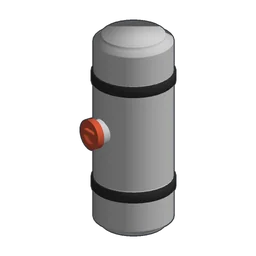 Small Fuel Tank (Small Fuel Tank, Fuel 0.5) and
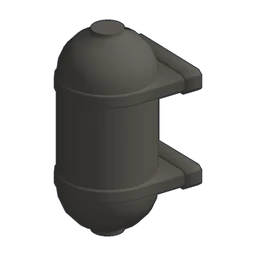 External Fuel Tank (External Fuel Tank, Fuel 1) to
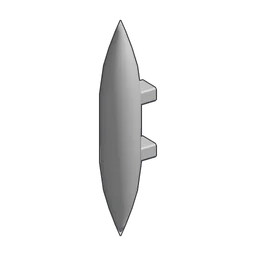 Fuel Tank (Fuel Tank, Fuel 3) and
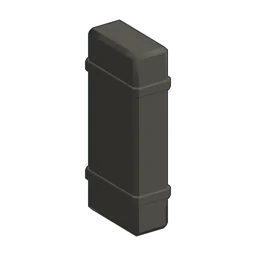 Big External Fuel Tank (Big External Fuel Tank, Fuel 4), while wings like
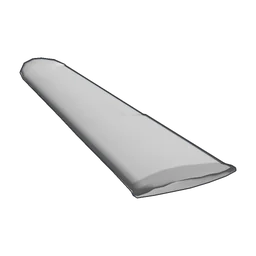 Electron Wing (Electron Wing, Fuel 0.5), Straight Wing (Straight Wing, Fuel 1), Small Jet Wing (Small Jet Wing, Fuel 1.5), and Big Wing (Big Wing, Fuel 2) hold fuel inside the wings.
Electricity storage equals 0.05 plus the Capacity of any mounted batteries, such as 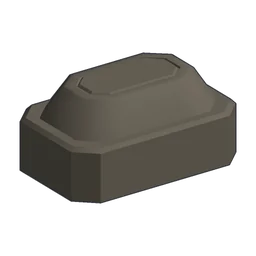 Small Batteries (Small Batteries, Capacity 0.5) and
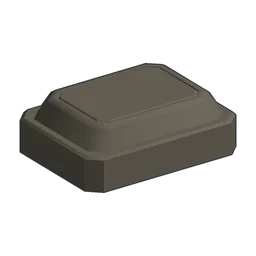 Big Batteries (Big Batteries, Capacity 1), though batteries only store energy and generate nothing. Fuel engines recharge storage at throttle multiplied by Electricity Generation per second,
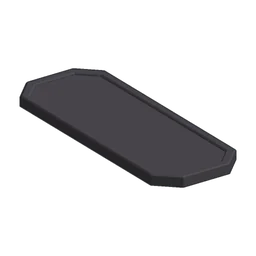 Solar Panel (Solar Panel) adds 0.2 recharge speed per second, and
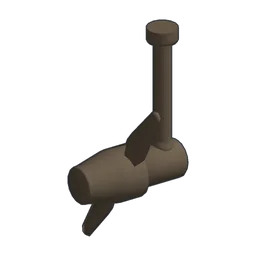 Air Turbine (Air Turbine, Electricity Generation 0.3) adds current speed divided by 200 multiplied by its capacity per second.
Electric motors like 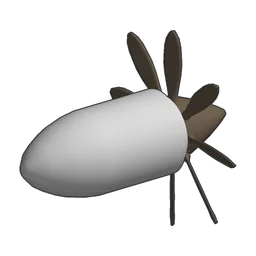 Electric Engine (Electric Engine, Thrust 15, Optimal speed 100 knots) and
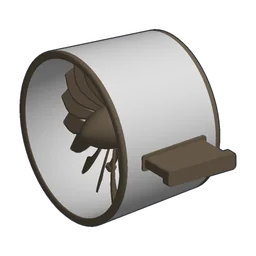 Big Electric Engine (Big Electric Engine, Thrust 20, Optimal speed 150 knots) drain electricity at throttle multiplied by Electricity Consumption multiplied by power per second, producing zero thrust if storage empties. Fuel engines consume fuel by the same formula, and creative mode with infinite fuel consumes nothing.
Unlocked-at-start intake parts—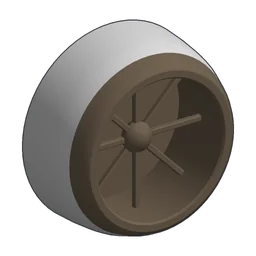 Air Intake (Air Intake, Weight 0.25, Price 25),
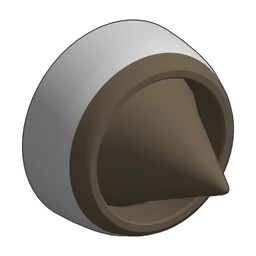 Air Intake2 (Air Intake2, Weight 0.35, Price 40), and
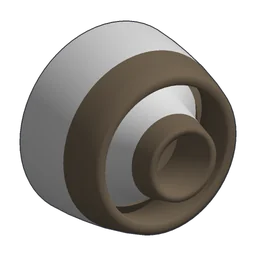 Air Outlet (Air Outlet, Weight 0.1, Price 10)—carry only weight and price in the part data without thrust or drag stats; check the air intake guide for full details. For deceleration,
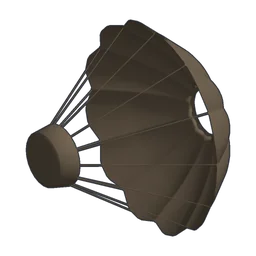 Parachute (Parachute) deploys when throttle input drops below zero while total thrust is near zero and the aircraft moves forward, adding 1.5 airbrake drag alongside
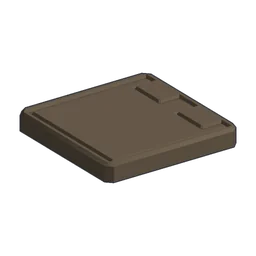 Airbreak (Airbreak) hardware, as covered in the airbrake parachute guide.
Starter plane parts summary
Parts omitted from the research tree or priced at 0 normal and 0 advanced research points are unlocked from the start of a new campaign. Your initial hangar catalog includes these seven core airframe, propulsion, and wheel components:
| Part | Category | Price | Weight | Key stats |
|---|---|---|---|---|
| Body |
body |
50 | 1 | Cargo 10 |
| Biplane Cockpit |
body |
150 | 1.5 | Cargo 20 |
| Wood Engine |
engines |
150 | 1.5 | Thrust 10, Fuel Consumption 2, Electricity Generation 0.4, Optimal speed 100 knots |
| Biplane Wing |
wings |
75 | 0.5 | Lift 21, Drag 21, Strength 2.25 |
| Tail Wing (Tail Wing) |
wings |
15 | 0.33 | Lift 2, Drag 6, Strength 6 |
| Bike Wheel (Bike Wheel) |
wheels | 25 | 0.5 | Load Limit 2 x 5, Friction 2 |
| Small Rear Wheel (Small Rear Wheel) |
wheels | 25 | 0.2 | Load Limit 6, Friction 1.5 |
Alongside those core parts, new saves also start with 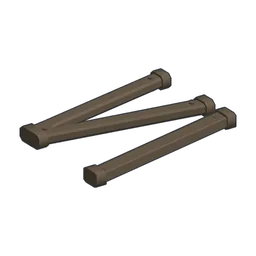 Wood Strut (Wood Strut, Price 5, Weight 0.1),
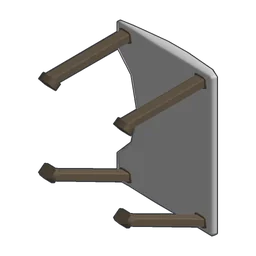 Wood Connection (Wood Connection, Price 5, Weight 0.1),
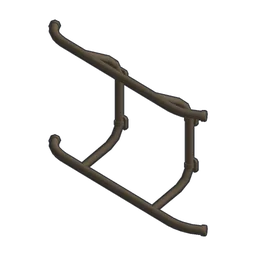 Helicopter Landing Gear (Helicopter Landing Gear, Price 5, Weight 0.9, Load Limit 2 x 15, Friction 1),
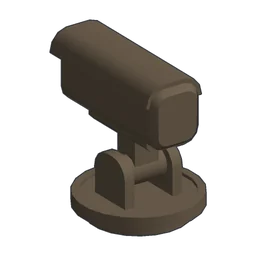 Camera (Camera, Price 50, Weight 0), and the three starter air intakes.
| Part | Cargo | Thrust | Fuel Consumption | Electricity Generation | Optimal speed | Lift | Drag | Strength | Load Limit | Friction | Weight | Price | Research |
|---|---|---|---|---|---|---|---|---|---|---|---|---|---|
| Body | 10 | — | — | — | — | — | — | — | — | — | 1 | 50 | Start |
| Biplane Cockpit | 20 | — | — | — | — | — | — | — | — | — | 1.5 | 150 | Start |
| Wood Engine | — | 10 | 2 | 0.4 | 100 knots | — | — | — | — | — | 1.5 | 150 | Start |
| Biplane Wing | — | — | — | — | — | 21 | 21 | 2.25 | — | — | 0.5 | 75 | Start |
| Tail Wing | — | — | — | — | — | 2 | 6 | 6 | — | — | 0.33 | 15 | Start |
| Bike Wheel | — | — | — | — | — | — | — | — | 2 x 5 | 2 | 0.5 | 25 | Start |
| Small Rear Wheel | — | — | — | — | — | — | — | — | 6 | 1.5 | 0.2 | 25 | Start |
Browse community aircraft designs in the Steam Workshop blueprints guide once you are ready to compare layouts.