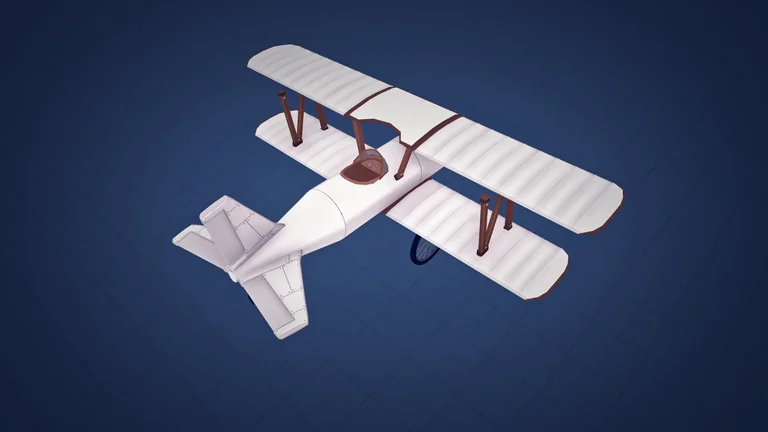
Wing Stress Too High in Aviassembly: Break Speeds and Fixes
Check the 80% wing stress threshold, exact break speeds from Glider Wing to Delta Wing02, and how to decelerate before wings snap.

The “Wing stress too high” and “Slow down to reduce stress” alert appears whenever airflow past a wing exceeds 80% of Strength × 100 knots, and exceeding the full Strength × 100 knots ceiling snaps that wing off the airframe. Across key tiers, 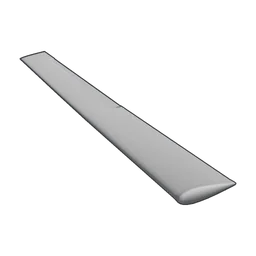 Glider Wing carries Strength 1.4 (112 knots warning, 140 knots break after Update 10 raised it from 110),
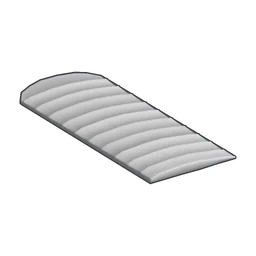 Biplane Wing holds Strength 2.25 (225 knots limit),
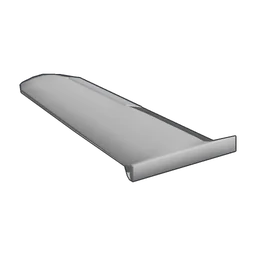 Wing reaches Strength 6 (600 knots limit), and
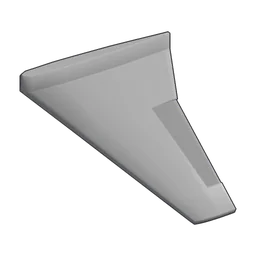 Delta Wing02 tops out at Strength 50 (5000 knots limit). When the alert flashes, ease off the throttle, pitch gently out of dives, or trigger
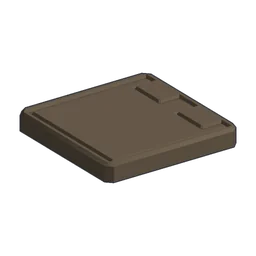 Airbreak and
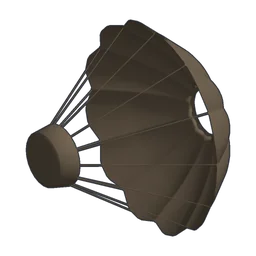 Parachute hardware—while our plane building guide covers how wing area interacts with mass.
How the Wing Stress Formula Works
Airspeed on the HUD displays velocity magnitude rounded to whole knots, with Mach calculated as speed divided by 666. Every wing checks that airflow against its Strength rating: crossing 80% of Strength × 100 knots triggers the two-line HUD warning (“Wing stress too high” / “Slow down to reduce stress”), while crossing Strength × 100 knots destroys the part. Even brief steep dives with early propellers can push a fragile panel past 80%, so watch the knot readout closely whenever accelerating downhill.
Low-Strength Wings and the Glider Buff
Early-game wings trade structural ceiling for cheap build cost or extra lift. Update 10 raised the Glider Wing ceiling from 110 to 140 knots (1.4 Strength, 54 Lift, 6 Drag, 1000 coins, 15 research points), giving it slightly more headroom while keeping it the easiest wing to snap. Your starter Biplane Wing handles 225 knots (2.25 Strength, 21 Lift, 21 Drag, 75 coins), 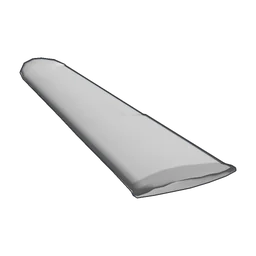 Electron Wing handles 350 knots (3.5 Strength, 42 Lift, 0.5 Fuel),
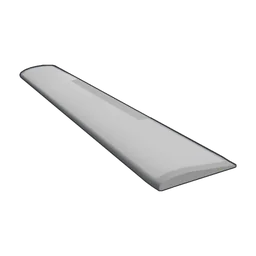 Straight Wing reaches 400 knots (4 Strength, 48 Lift, 1 Fuel), and the researched Wing reaches 600 knots (6 Strength, 33 Lift, 150 coins, 10 research points). If your airframe stalls or struggles on short runways with heavier wings, review why your plane won’t take off.
| Part | Lift | Drag | Strength | Fuel | Weight | Price | Research |
|---|---|---|---|---|---|---|---|
| Glider Wing | 54 | 6 | 1.4 | — | 1.5 | 1,000 | 15 RP |
| Biplane Wing | 21 | 21 | 2.25 | — | 0.5 | 75 | Start |
| Electron Wing | 42 | 19 | 3.5 | 0.5 | 1.5 | 500 | 15 RP |
| Straight Wing | 48 | 15 | 4 | 1 | 2 | 500 | 20 RP |
| Wing | 33 | 21 | 6 | — | 1 | 150 | 10 RP |
High-Strength Wings for Jet Speeds
Once you unlock turbine propulsion in our jet engine guide, low-tier wings will tear off in level flight. Stepping up to 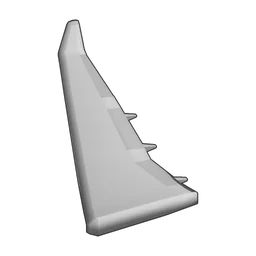 Big Wing raises the limit to 1500 knots (15 Strength, 90 Lift, 2 Fuel, 2500 coins), while
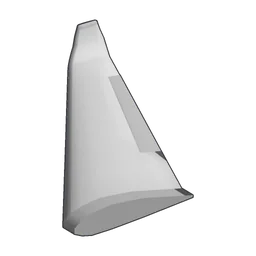 Small Jet Wing pushes to 2000 knots (20 Strength, 54 Lift, 1.5 Fuel, 800 coins, 25 regular and 5 advanced research points). At the top of the wing tree,
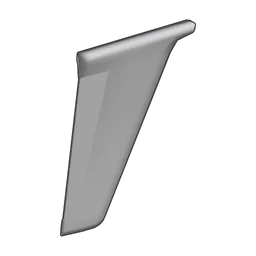 Tailwing02 holds 3000 knots (30 Strength),
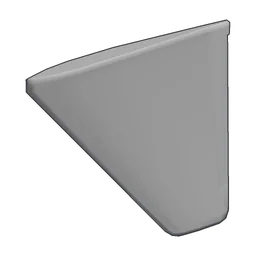 Delta Wing01 handles 3300 knots (33 Strength, 0 Drag), and both Delta Wing02 and
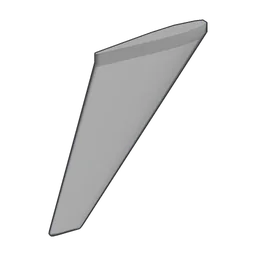 Small Canard withstand 5000 knots (50 Strength).
| Part | Lift | Drag | Strength | Fuel | Weight | Price | Research |
|---|---|---|---|---|---|---|---|
| Big Wing | 90 | 6 | 15 | 2 | 5.5 | 2,500 | 50 RP |
| Small Jet Wing | 54 | 12 | 20 | 1.5 | 3 | 800 | 25 RP + 5 Adv |
| Delta Wing01 | 15 | 0 | 33 | — | 0.33 | 250 | 15 RP |
| Delta Wing02 | 20 | 0 | 50 | — | 0.33 | 250 | 20 RP |
| Small Canard | 10 | 5 | 50 | — | 0.33 | 125 | 15 RP |
Slowing Down Safely with Airbrakes
The fastest fix when “Wing stress too high” fires is pulling the throttle down (“Throttle down” in controls) and leveling out of any dive so drag bleeds speed. For dedicated deceleration, unlock Airbreak (5 research points, 50 coins, 0.33 weight) followed by Parachute (10 research points, 200 coins, 0.1 weight). Pulling throttle input below zero once engine thrust drops near zero while moving forward pops the parachute for +1.5 airbrake drag—read how to deploy the airbrake parachute for full timing details.